
Sermon for St Peter’s Bramley, 31 August 2025
Text: 2 Samuel 11:27-12:7
Through this summer we have been thinking about aspects of Christian character. What does it look like to live as a Christian? Today we look at what happens when things go wrong, when the way we live is at odds with what God expects of us. Does it matter to God when we go astray, what does he expect us to do about it, and what does God himself do about it?
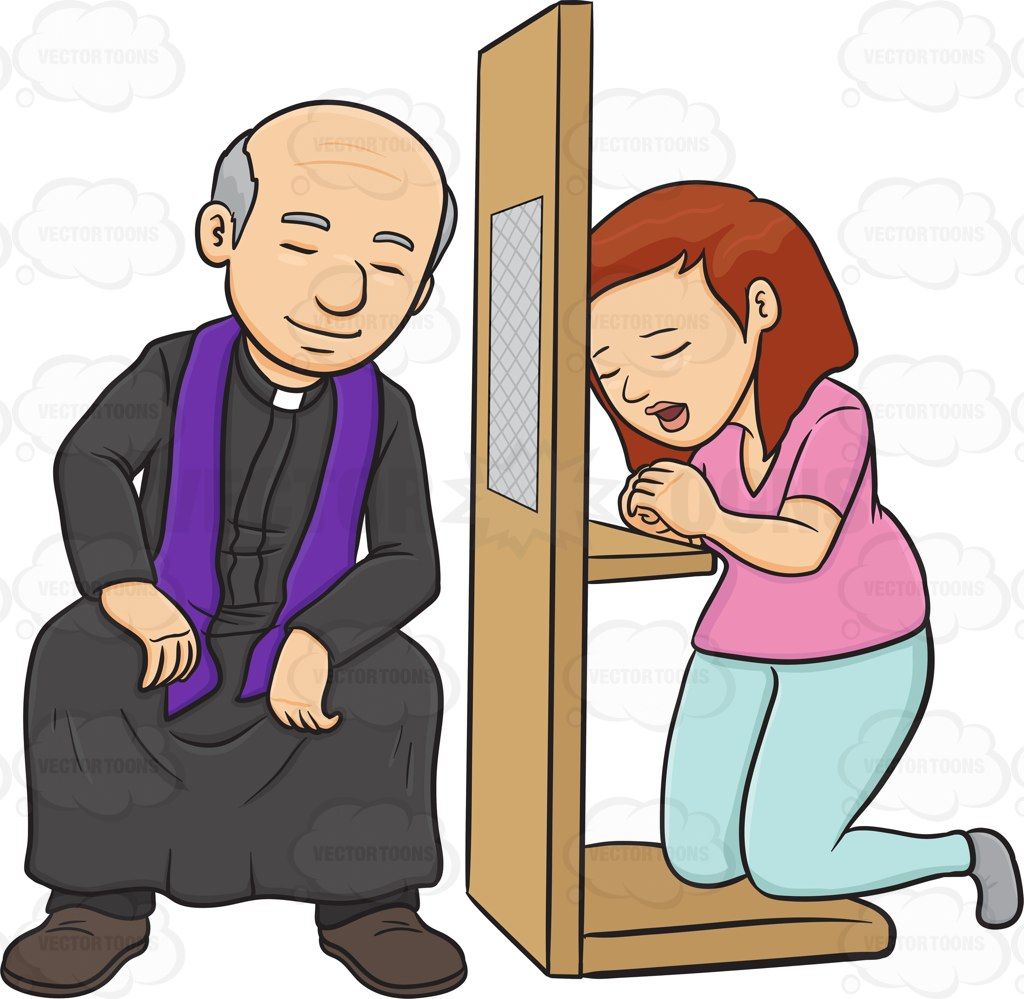
People sometimes ask, “Why doesn’t the Church just talk of God’s love?” or to put it the other way round, “Why does the Church always go on about sin?” Many a joke or TV sketch is about someone in the confessional box. The story is told of a woman who confessed looking in the mirror every day and thinking how beautiful she was. “What penance must I do, Father?” “None, my child, you only have to do penance for a sin, not a mistake” … On another occasion, a curate was tasked with giving the farewell tribute to his vicar who had been promoted to Bishop. “Your sermons have been an inspiration to everyone at St Mary’s”, he said. “Until you came we didn’t know what sin was!” [1]
If we do talk about sin, it’s because the core of Christianity is about relationships. The love God has for all the beings he has created, and the love he expects us to have for each other. Jesus gave a quick summary of the law – “love God with all your heart, soul, mind and strength, and love your neighbour as yourself”. So, if sin is breaking God’s law, and if God’s law is all about love, then all sin is relational. It means failing to love God and neighbour as we should. The Ten Commandments, and any other rules we might think that we have to live by, are given as guidelines for what this love of God and neighbour might look like. It’s not about ‘breaking the rules’ as if the rules exist for their own sake, but about living in a way that honours God and everyone else involved. That’s why sin matters.
Today in our quick tour of the books of Samuel, we’re looking at the second half of the second book. The story of King David is a good example of what happens when someone fails badly in their relationships with God and other people by making the wrong choice, about what the consequences might be, and what can be done about it.
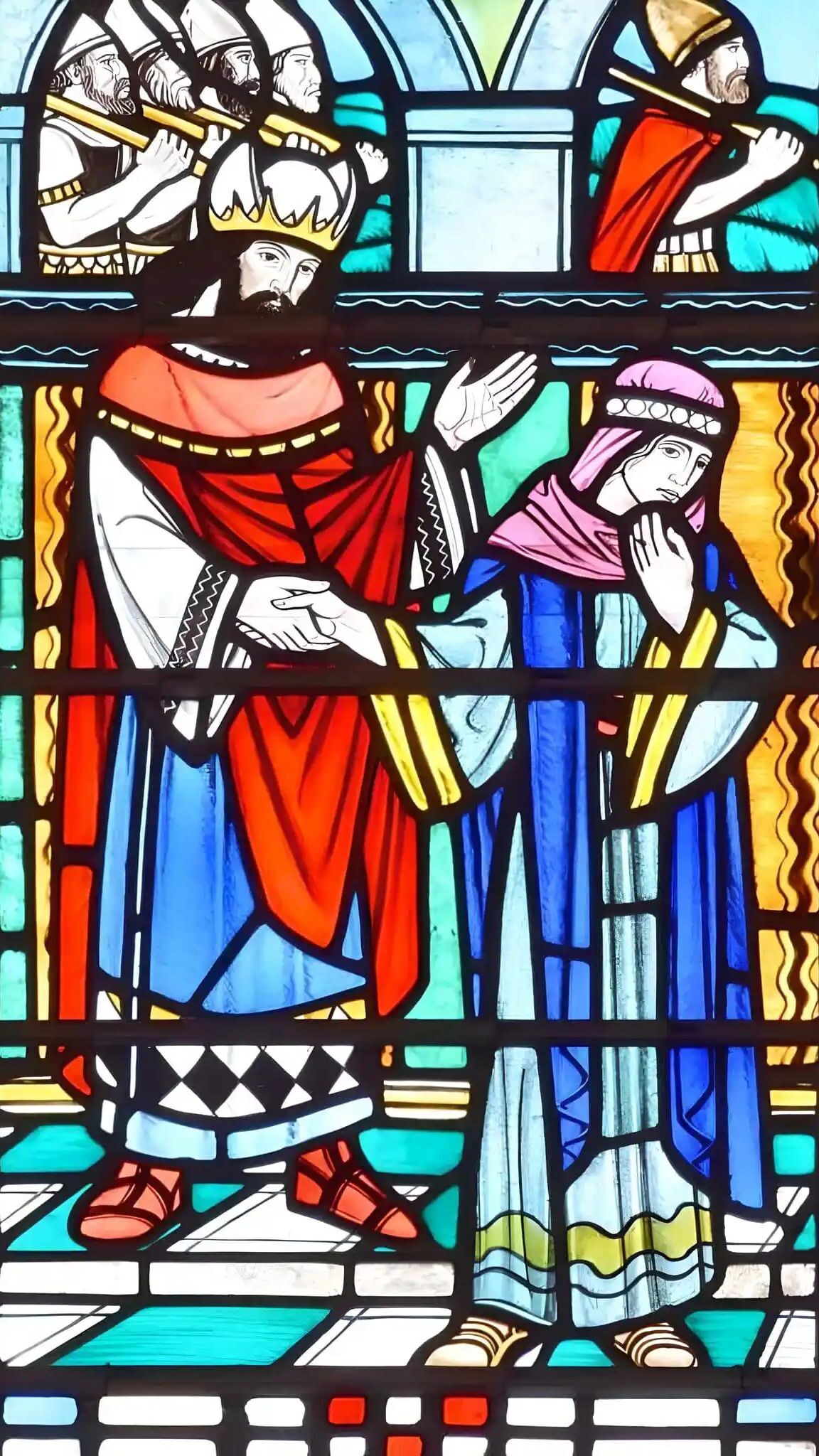
So, what was David’s sin? To summarise the previous few chapters, he lived in a palace with his large family. He had at least three wives. But that wasn’t seen as a sin – not in those days, anyway. They had their children, as well as his children with other mothers. But there was one other woman he wanted to marry as well, called Bathsheba. Unlike the woman in my joke earlier, everyone knew she was actually very beautiful. The problem was, she was already married to Uriah. That should have been the end of the matter for David. He knew the commandment: “you shall not commit adultery”. But he made the wrong decision, choosing to break that commandment. David had a brief affair with her while Uriah was away with the army.
As often happens, one sin led to another until David was in deep trouble. Things turned more tricky when Bathsheba sent David a simple message, just two words but devastating ones: “I’m pregnant”. She was expecting their child. What to do now? Own up to Uriah, offer to pay for the child’s maintenance? No, David panicked and arranged to have Uriah killed in battle so that he would not find out about the affair. Bathsheba could then become David’s wife and their child would be legitimate.
It should be clear by now that David’s sins were many. That was not how a good Jew, even the King, should live. Adultery and arranged killing were obviously sins, yes, but there is more. Remember what I said about sin being a failure in relationships. If being in a loving relationship with God and other people is how God made us to be, then anything that breaks those relationships cuts us off from God’s love.[2] David’s actions here also show possessiveness, wanting to ‘have’ someone to prove his manliness, not a real loving relationship. He showed lack of compassion for Uriah and his family. He forgot that he had been chosen by God to give a moral lead to the people of Israel and that God had already provided him with everything he needed (wives, children, money, status). In fact, he had pretty much forgotten God altogether in his panicked reaction to Bathsheba’s message. It was this breaking of relationships (forgetting God, treating women as property, treating a soldier’s life as disposable) that most ‘displeased the Lord’ (2 Samuel 11:27).
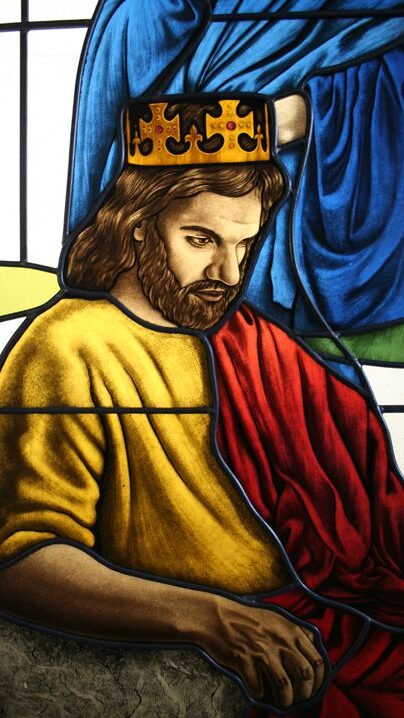
We often don’t realise the seriousness of our actions, or how far we have strayed from God’s plan for our life, until someone points them out to us. That someone might be a close friend, a church leader, counsellor, or in this case a prophet. David didn’t realise just how far he had fallen until he was confronted by the prophet Nathan. Nathan tells his simple story, or parable, about someone who had lots of sheep (and no doubt treated them just as a source of profit) stealing the one little lamb that someone else really loved. Even David can see that this is wrong. Nathan then skilfully turns the tables back on David: ‘You are the Man!’[3] David suddenly realised this was a story aimed at him: the man who had many wives but didn’t love them, and Uriah who just had one, but loved her greatly. His response was as brief as Nathan’s condemnation. “I have sinned against God”. Yes, but he also sinned against others – Bathsheba whom he used and widowed, and her husband killed in battle.
This was a low point in David’s life. What would the consequences be? Not only the death of Uriah. The Bible tells us that the son of his affair with Bathsheba died in infancy and is not even named in the story. The remaining chapters of 2 Samuel are a story of inappropriate relationships, of vengeance, betrayal and treachery within the royal family. David’s reign would be a long one, but never again a happy one. This one act of adultery was a turning point. A turning point in David’s own life, from faithful servant of God to being the centre of a dysfunctional family.
Is there no good news, nothing positive from this story? Yes, there is. It was a turning point for David in other, more positive ways. We sometimes use the word ‘repentance’, which actually means ‘a turning point’ in this positive sense. It was here that David realised how far he had fallen from God’s grace, and determined to be a better husband, a better king. He seems to have developed a deeper love for Bathsheba than for his other wives. It was also, though he could not have known it at the time, a turning point in the history of Israel. David and Bathsheba would go on to become parents to Solomon, who grew into a great and wise king. Generations later, their descendant Joseph became the legal father of Jesus. So while our sins may have negative consequences that we cannot escape, the important thing is that when something makes us realise how far we have fallen, that is the time to repent, to let God make a turning point in our lives. If we do, then God can turn darkness into light, despair into hope, failure into success. We may fail other people, even fail God himself, but God never fails us. That is so important, I will repeat it: God never fails us.
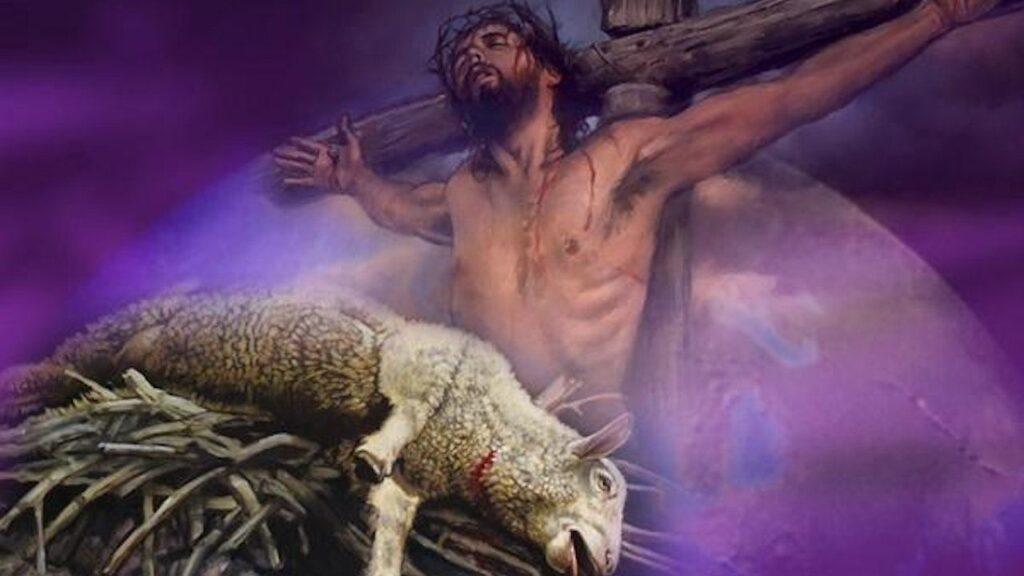
God can also turn guilt into forgiveness. Nathan’s parable about a lamb reminds us of Jesus title of ‘Lamb of God’. Jesus as the spotless sacrifice, as well as our judge. Even God does not free us from the natural consequences of our actions, but what he can and does do, if we will open ourselves up to him, is to free us from the guilt of them. An old sermon illustration (but a good one) is this: a woman was found guilty in court of some serious offence. When it came to sentencing, the judge fined her a thousand pounds. Bursting into tears, she cried out that she could not pay anything as she had no money at all to her name. The judge took off his wig, stepped down from his chair, led her to the payment desk, took out his wallet and paid the fine, saying “don’t worry, the fine is paid, you can walk free”. That is what Christ has done for us on the cross: the fact of our sin cannot be ignored, but the price of our sin has been paid and we can walk free to carry on with the rest of our lives.
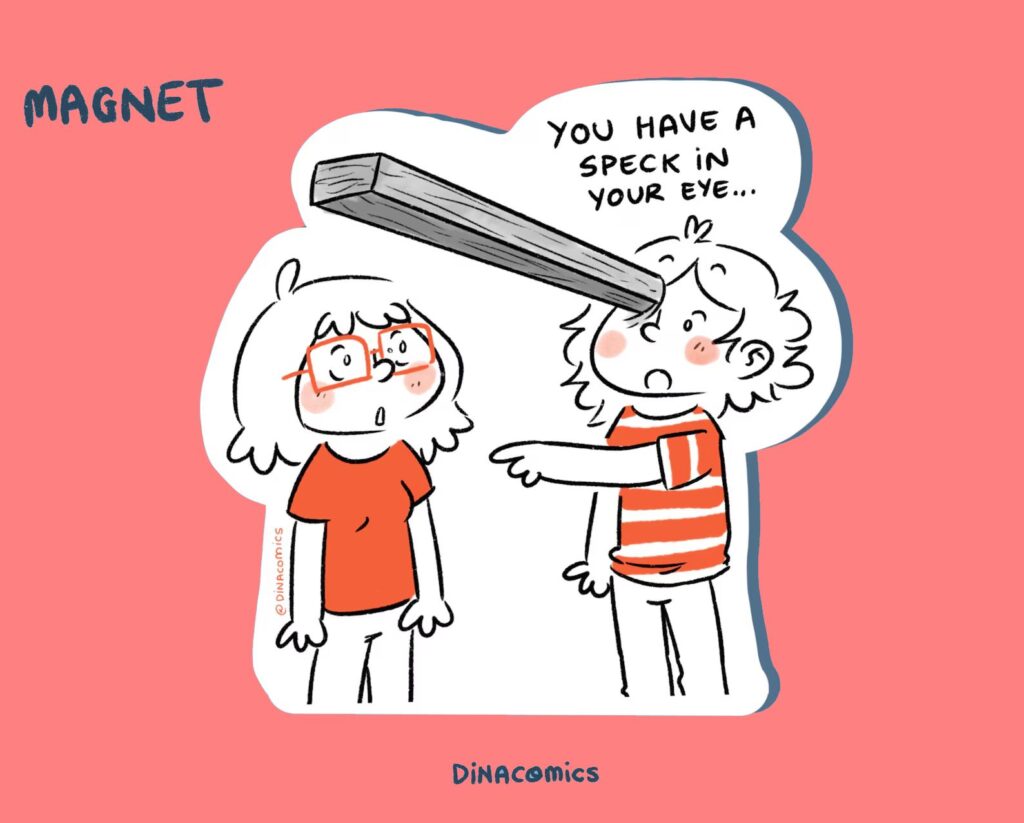
The Gospel reading for today[4] is part of the Sermon on the Mount. This brief parable is much like Nathan’s accusation “You are the man!” It invites us to inspect what our own ‘log in eye’ is. Psychologists talk of ‘projection’ – being quick to find fault in others when in fact we are guilty of the same faults. As we move towards the sharing of the Peace and Communion, let’s take a moment to ponder and pray: is there anything in your life, any relationships where you know you have failed, someone you know you have wronged, any harm (intended or not) that you have not apologised for or tried to put right? Any way in which you have turned away from loving God? (brief pause)
If it seems appropriate, you may wish to join in the prayer on the screen:
Lord, I know I have sinned against you.
I know I have made wrong choices.
I am the (wo)man.
As you showed mercy to David, show mercy to me.
Help me to deal with the consequences,
lead me in the right way,
and restore to me the joy of your salvation.
Amen.
[1] Both adapted from “Best Religious Jokes”, Edward Philips, Wolfe Publishing 1969
[2] ‘Basic Christianity’, John Stott, IVP 1971,p.71
[3] 2 Samuel 12:7
[4] Matthew 7:1-7 – the speck or log in a person’s eye